








Master the science of baking. The magic is how baking powder reacts in acidic and alkaline batters. Here’s all about the chemistry of baking with a few recipes
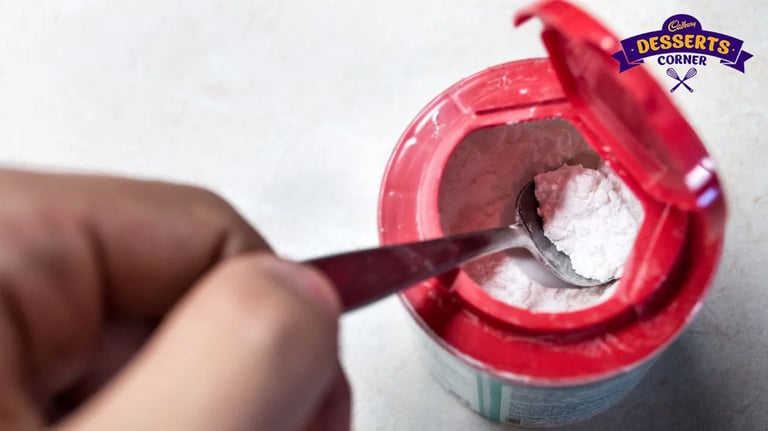
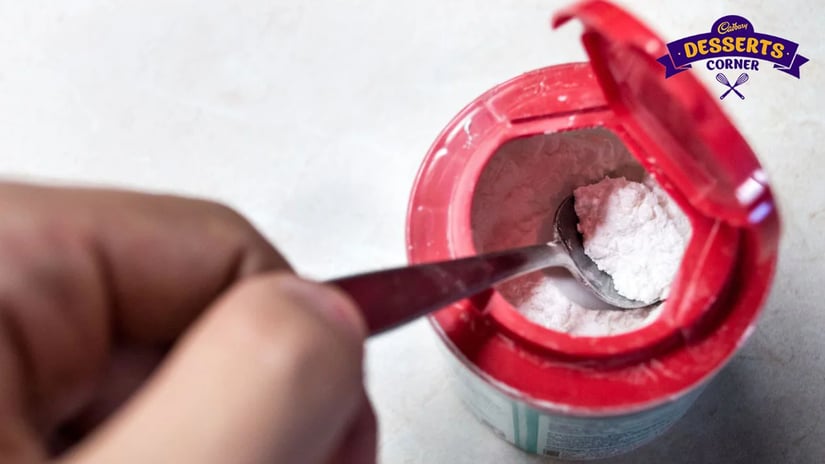
Baking isn't merely a matter of just mixing ingredients; it's more about the science behind it all. And one of the most important things to know about is the baking powder pH level. It might seem like just a plain white powder, but it's the secret to making your cakes rise, your muffins swell, and your pancakes lighten up.
Baking is chemistry. At the core of this is the right balance between acids and bases, which we refer to as pH levels. This is often considered the ‘secret ingredient’ to achieve the perfect texture. Baking powder is specifically designed to function within both alkaline and acidic batters, so that your bakes turn out well and taste equally perfect. It has an acid and a base in it. When liquid is added and it's heated, the mixture reacts to produce carbon dioxide gas. The gas bubbles are what cause the expansion in the oven, causing your cake or bread to rise. That's why it's such a staple in so many traditional recipes, from light and fluffy pancakes to crispy biscuits.
It is very easy to understand the baking powder pH level. Recall your school lessons from chemistry class while doing the acid and base test on a pH scale. The scale is from 0 to 14. Below 7 is acidic, above 7 is alkaline, and 7 is neutral. In baking, buttermilk, lemon juice, or yogurt are acidic ingredients, and cocoa powder, some dyes, or even baking soda increase the alkalinity of a batter. Unquestionably, understanding the difference between an acidic and an alkaline batter can often prevent baking disasters.
The pH Scale In Baking: Why It Matters
What Makes A Batter Acidic?
Ingredients like buttermilk, yogurt, sour cream, lemon juice, vinegar, fruit, molasses, or natural cocoa powder are known to turn a batter acidic. When used with baking soda, they tenderize gluten, which leads to enhanced flavor and a soft, light, and airy crumb.
What Makes A Batter Alkaline?
The addition of baking soda and Dutch-processed cocoa powder makes a batter alkaline. The high pH of baking powder facilitates the Maillard reaction, causing better browning, enhancing flavor, and a tender, higher rise.
Baking Soda vs. Baking Powder: The Key Differences
When To Use Baking Soda?
It is appropriate to use baking soda (sodium bicarbonate) in recipes that include acidic ingredients like buttermilk, yogurt, vinegar, lemon juice, or cocoa powder. Using baking soda provides lift as it reacts instantly with acid to create carbon dioxide bubbles.
When To Use Baking Powder?
Baking powder is useful in recipes that lack acidic ingredients. Being a leavening agent with both base and acid, it is often considered ideal for cakes, cookies, and muffins. Moisture and heat activate baking powder to create a light, fluffy texture.
Can You Substitute One For The Other?
While these two are not exactly interchangeable, sometimes they can be replaced with certain adjustments. To replace 1 teaspoon of baking soda, one may add 3 teaspoons of baking powder. Alternatively, 1 teaspoon of baking powder can be replaced by ¼ teaspoon of baking soda and ½ teaspoon of cream of tartar.
How pH Affects Texture, Color, and Flavor
The Maillard Reaction And Browning
This is a chemical reaction involving amino acids and reducing sugars that typically occurs above 140°C. In the case of baking, this reaction is primarily responsible for browning in baked goods. An alkaline (high pH) environment is always helpful for an accelerated rate of reaction. This causes more intense and faster browning.
Tenderizing Gluten
In baking, tenderizing gluten is defined as a process that reduces the strength and elasticity of the gluten network. This creates a delicate, soft, and flaky texture. Acidity and alkalinity significantly affect this network by influencing the strength of disulfide bonds and enzymatic actions. Acidic ingredients break the disulfide bonds between gluten proteins. This breaks down the protein network and leads to a tender dough. Alkaline ingredients, on the other hand, increase the cross-linking in gluten, leading to a denser dough.
Troubleshooting Common pH Problems
Why Your Cake Tastes Soapy?
An excess of baking soda is primarily responsible for this. A cake tastes soapy when there is an inadequate acidic ingredient to neutralize the soda.
Why Your Cookies Won't Spread
Cookies hesitate to spread if there is a lack of baking soda. This alkaline agent is primarily responsible for browning, thinning, and spreading. Insufficient baking soda often results in thicker, denser, or cakey cookies.
Recipes to Master the Balance
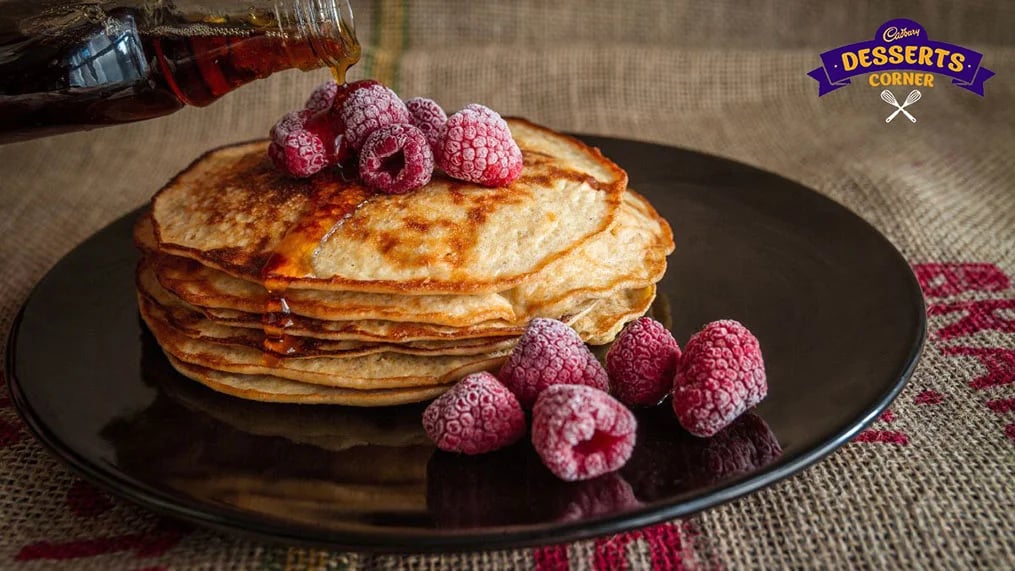
Recipe 1: Fluffy Pancakes
There's nothing better than beginning your day with a hot plate of pancakes. This recipe produces light, fluffy pancakes that can be whipped up in no time and are perfect for any breakfast.
Ingredients:
- 1 cup all-purpose flour
- 2 tablespoons sugar
- 2 teaspoons baking powder
- 1/4 teaspoon salt
- 1 cup milk
- 1 egg
- 2 tablespoons melted butter
Method:
- Begin by beating the flour, sugar, baking powder, and salt in a bowl.
- Mix the milk, egg, and melted butter in another bowl.
- Gently mix the wet and dry ingredients until no streaks of flour are visible—don't overmix.
- Grease a non-stick pan or griddle and pour some batter onto it.
- Cook until bubbles form, flip, and cook on the other side until golden.
Tip:
- For added lift, beat the egg and whisk until the egg white is stiff and forms soft peaks. Fold it into the batter at the last minute before cooking.
Recipe 2: Buttermilk Biscuits
The perfect biscuit must be light, golden, and perfectly crisp on the outside. This biscuit recipe rises from baking powder and the acidity of buttermilk.
Ingredients:
- 2 cups all-purpose flour
- 1 tablespoon baking powder
- 1 teaspoon sugar
- 1/2 teaspoon salt
- 1/2 cup cold butter, cut into cubes
- 3/4 cup cold buttermilk
Method:
- In a big bowl, combine flour, baking powder, sugar, and salt.
- Cut in butter with a pastry cutter or fingertips until the mixture resembles crumbly.
- Add the buttermilk slowly, stirring until the dough comes together.
- Pat gently into a 1-inch thickness slab, cut biscuits out with a round cutter, and put them on a baking sheet.
- Bake at 220°C until golden brown.
Tip:
Keep ingredients cold and work the dough with as few strokes as possible to allow the biscuits to rise well and retain their shape.
Recipe 3: Banana Bread
Banana bread is a classic recipe, moist, comforting, and ideal for when bananas are past their best. Here's a version made even better with baking powder.
Ingredients:
- 2 large ripe bananas
- 1/2 cup sugar
- 1 egg
- 1/4 cup vegetable oil
- 1 ½ cups all-purpose flour
- 1 ½ teaspoons baking powder
- A pinch of salt
Method:
- Mash the bananas in a bowl until smooth.
- Add the sugar, egg, and oil, and mix until well combined.
- In another bowl, mix the flour, baking powder, and salt.
- Combine both mixtures until a batter forms.
- Pour into a greased loaf pan and bake at 180°C for about 40–45 minutes.
Tip:
Use bananas with plenty of dark spots for a deeper sweetness and aroma.
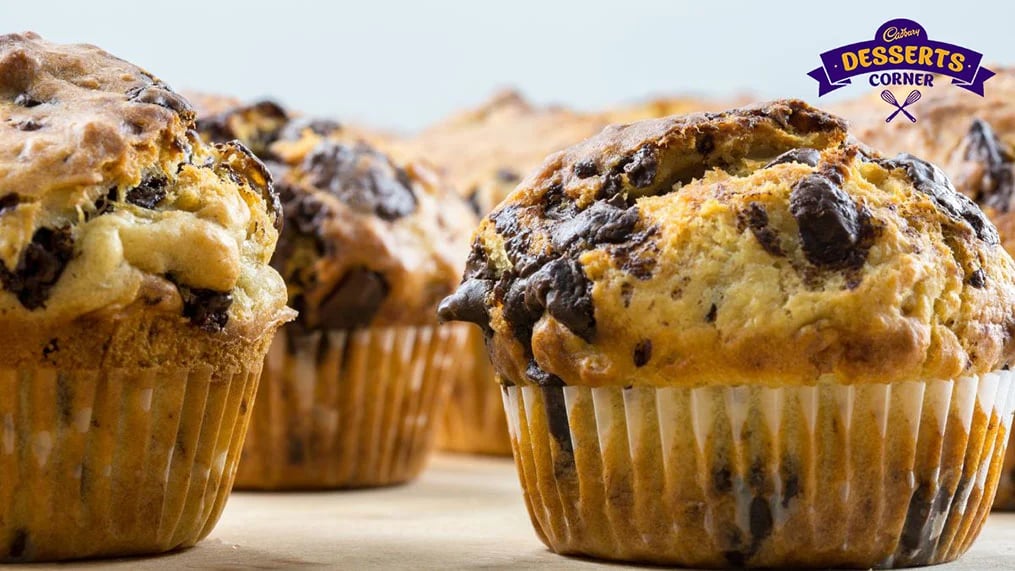
Recipe 4: Chocolate Chip Muffins
These muffins are easy, quick to prepare, and loaded with chocolate chips. They puff up wonderfully with the use of baking powder and have a soft center with a golden crust. Once you’ve given these a try, why not try out chocolate mud cake & plum cake recipes.
Ingredients:
- 1 ¾ cups flour
- 3/4 cup sugar
- 2 teaspoons baking powder
- 1/2 teaspoon salt
- 1 cup milk
- 1 egg
- 1/3 cup melted butter
- 1/2 cup chocolate chips
Method:
- In one bowl, whisk together the flour, sugar, baking powder, and salt.
- In another bowl, mix the milk, egg, and melted butter.
- Pour the wet ingredients into the dry ones and stir until blended.
- Fold in the chocolate chips gently.
- Spoon into muffin cups and bake at 190°C for 20 minutes.
Tip:
Add a teaspoon of vanilla extract for a little more warmth in every bite.
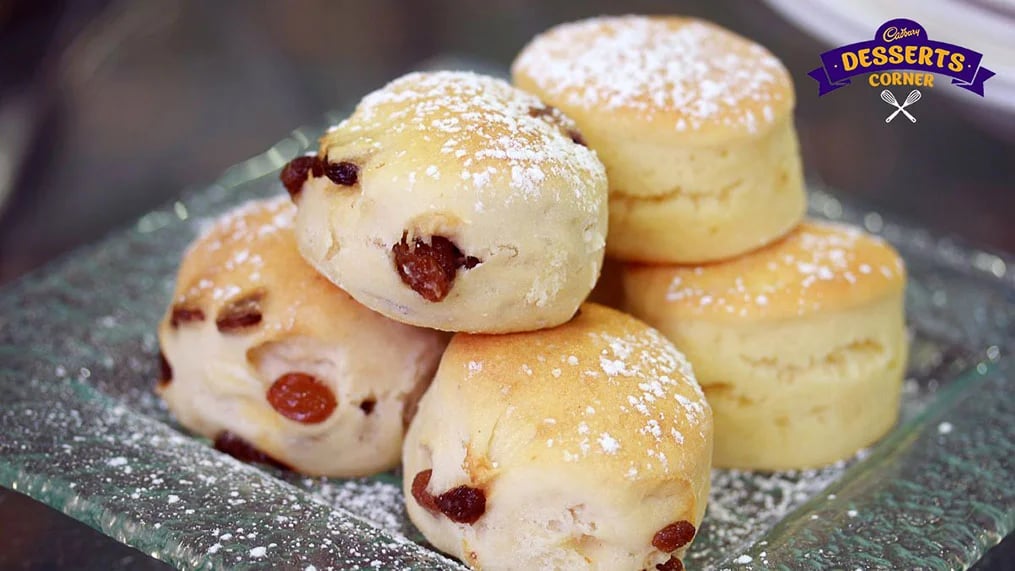
Recipe 5: Golden Scones
Scones are easy to prepare and ideal for weekend brunch or tea-time. Baking powder provides them with the lift they require for that golden, soft finish.
Ingredients:
- 2 cups all-purpose flour
- 2 tablespoons sugar
- 1 tablespoon baking powder
- 1/2 teaspoon salt
- 1/2 cup cold butter (cubed)
- 2/3 cup milk or cream
- 1 egg
Method:
- Combine flour, sugar, baking powder, and salt.
- Use a pastry cutter to cut the butter into the mixture until it is crumbly.
- Beat the egg and milk together, then slowly pour into the dry mixture.
- When it is the right consistency to form a dough, turn it onto a floured surface, knead lightly, and shape it into a round.
- Cut into wedges or use a cutter.
- Bake at 200°C until golden.
Tip:
Brush the tops with egg wash for a lovely golden finish before baking.
Recipe 6: Homemade Baking Powder Recipe
There might be times when you find yourself out of baking powder at the exact moment you need it. Don’t worry, here's how you can whip some up at home with just three ingredients.
Ingredients:
- 1 part baking soda
- 2 parts cream of tartar
- 1 part cornstarch (optional, for storing)
Method:
- Mix 1 teaspoon of baking soda with 2 teaspoons of cream of tartar.
- You may add 1 teaspoon of cornstarch if you are storing it for future use.
- Mix well and keep in an air-tight container.
- It is as effective as store-bought powder, particularly in products that contain very little acidic material.
Frequently Asked Questions
Can I use milk instead of buttermilk? 
Yes, buttermilk can be replaced by regular milk, but with an acid added to it to mimic the acidic properties of buttermilk. To do that, combine 1 tablespoon of lemon juice or white vinegar with enough milk to make 1 cup total, then let it sit for 5 to 10 minutes.
How do I know if my baking powder is still fresh?
To check the freshness, mix ½ teaspoon of baking powder with ¼ cup of hot water. If the baking powder is active and fresh, it will show vigorous bubbles and fizz immediately.
Is cocoa powder acidic or alkaline?
It can be either acidic or alkaline, depending on its type. While natural cocoa powder is slightly acidic, Dutch-processed cocoa is neutral to slightly alkaline in nature.
Like This Article?
More Like This


Popular Articles


Trending Web Stories


Curated Recipes