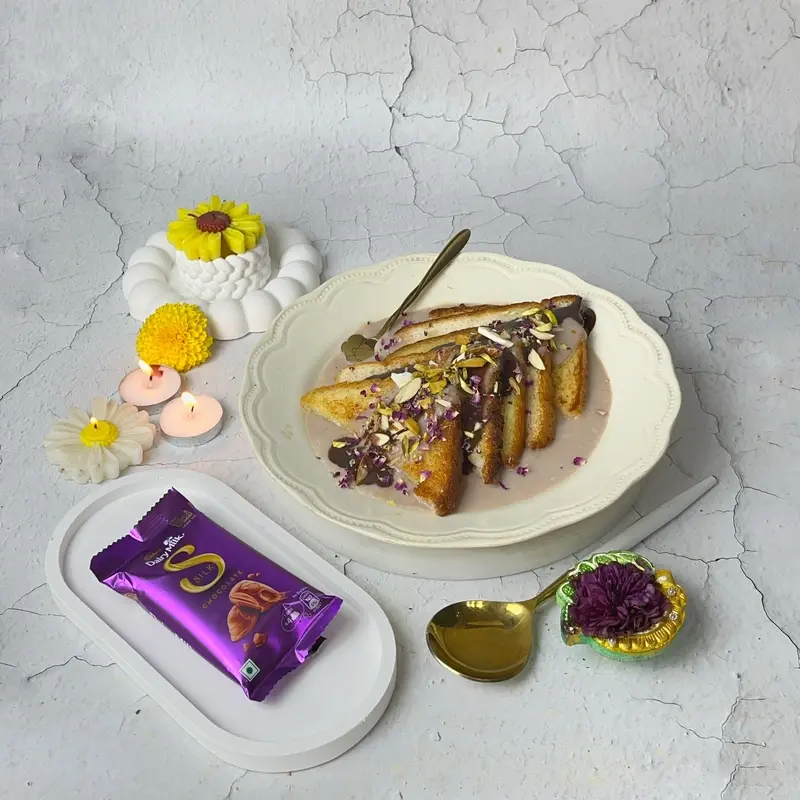









Make this indulgent Traditional Makar Sankranti Kheer and add a festive touch to your dessert table.

What Is Traditional Makar Sankranti Kheer?

This traditional Makar Sankranti kheer is a creamy, indulgent rice pudding made to celebrate the harvest festival. This indulgent dessert is made with basic ingredients like rice, milk, sugar or jaggery, and aromatic spices, and it holds a special place on the festive dessert tables across India. Makar Sankranti celebrates the harvest, the sun's transition into a new season, and gratitude. Rice kheer is one of the most popular desserts enjoyed across all parts of the country, with slight regional variations in ingredients and cooking techniques. This dessert has one thing in common across regions: it is loved for its simple ingredients, familiar taste, and comforting warmth it brings. It can be enjoyed warm or chilled, depending on your preference. This traditional kheer brings a sense of nostalgia and a festive touch to celebrations like Makar Sankranti.
How to Make Traditional Makar Sankranti Kheer

This traditional Makar Sankranti kheer is easy to make with basic kitchen ingredients and tastes best when cooked slowly. The full-fat milk gives this kheer its rich, creamy consistency, while the rice helps it thicken naturally as it cooks. Your indulgent festive dessert is ready to serve; garnish with chopped nuts and saffron.
Prep Time: 20 minutes
Cook Time: 40–45 minutes
Serves: 4–5 people
Ingredients:
- 1/4 cup basmati rice
- 1 litre full-fat milk
- 1/4 cup sugar or ⅓ cup grated jaggery
- 1/4 tsp cardamom powder
- 5–6 saffron strands
- 8–10 almonds, chopped
- 8–10 cashews, chopped
- 8–10 raisins
Using full-fat milk gives the kheer a rich, creamy texture. Basmati rice is an ideal choice because it cooks softly and adds a delicate aroma. You can use sugar for a classic kheer version, or you can substitute it with jaggery for a deep caramel-like sweetness.
Step-By-Step Instructions:
- Wash the basmati rice, then soak it in water for at least 20 minutes. Then drain the water and keep it aside.
- Pour some milk into a heavy-bottomed pan and heat it until it comes to a gentle boil. Keep stirring so that the milk does not stick to the bottom.
- Add the soaked rice to the milk and cook slowly over low heat. Keep stirring while ot cooks.
- Cook the mixture until the rice softens and the milk thickens naturally. Do not cook on high heat, as it will cause the milk to scorch.
- If you are using sugar, add it when the rice is cooked and stir. If you are using jaggery, remove the pan from the heat and let it cool slightly before adding it. This prevents the milk from curdling.
- Then add cardamom powder, saffron, almonds, cashews, and raisins for an aromatic note and crunch.
- Cook for another 5–7 minutes on low heat, stirring until it reaches the desired consistency.
- You can serve the kheer warm or chilled; just make sure to sprinkle some nuts and saffron before serving for a festive look.
Popular Kheer Varieties for Makar Sankranti
Makar Sankranti is celebrated in different forms across India depending on the ingredients and traditions of that region.
1. Paal Payasam

Paal Payasam is a South Indian rice kheer that is prepared by mixing rice, full-fat milk, and sugar. Then this mixture is slowly cooked on a low flame till it reaches a creamy consistency, and then cardamom and roasted cashews are added for an aromatic touch and extra crunch.
2. Jaggery Kheer (Gur Ki Kheer)
Jaggery is a great alternative to sugar, offering a warm, earthy flavor to your kheer. In this jaggery-based kheer, rice or millets are blended with milk and jaggery to create an indulgent dessert that is perfect for the winter harvest season.
3. Vermicelli Kheer (Seviyan Kheer)
Seviyan or Vermicelli kheer is a quick, indulgent festive dessert that is made by roasting vermicelli in ghee and then cooking it in milk. Then add some sugar and aromatic nuts. Garnish it with some dry fruits for a rich festive crunch.
4. Moong Dal Kheer (Pesara Pappu Payasam)
Moong dal kheer, also known as Pesara Pappu Payasam, is a South Indian dessert made with slight variations. It is made by mixing moong dal, coconut milk, jaggery, and cardamom. The nutty flavor and rich sweetness make it a comforting festive dessert.
5. Sabudana Kheer
Sabudana kheer is the perfect mixture of tapioca pearls with milk, sugar, and spices. This is a popular dessert during fasting, and it is particularly enjoyed in Maharashtra; it adds a soft, chewy texture to your festive dessert menu.
6. Gond Kheer
Gond kheer is a traditional dish of North India. It is made by combining edible gum, milk, sugar, and ghee. This indulgent dessert is best suited to winter celebrations because of its warm, rich flavor.
7. Millet Kheer (Bajra or Ragi Kheer)

Millet kheer is made with ingredients such as bajra or ragi, creating a unique variation of traditional kheer. It can be sweetened with jaggery and is prepared in regular or coconut milk according to your preference.
Tips for Making Perfect Makar Sankranti Kheer
- Using a heavy-bottomed pan helps distribute heat evenly and reduces the risk of burning the milk.
- Cook the milk-rice mixture on low heat; this allows the rice to soften and the milk to thicken naturally.
- Stir regularly to prevent the milk from sticking to the pan.
- Follow the given ratio for a creamy kheer; ¼ cup rice to 1 litre milk works well.
- Cook over low heat and allow the milk to thicken naturally rather than adding thickeners.
- Let the kheer cool down slightly, then add jaggery; this reduces the risk of curdling.
- Remove the kheer from the heat when it is slightly thinner than your desired consistency, as it thickens as it cools.
How To Store & Serve Makar Sankranti Kheer
Let the kheer cool down completely and then pour it into an airtight container. Refrigerate it and use it within 2-3 days. This traditional Sankranti kheer can be served warm or chilled as per your preference. Sprinkle some chopped almonds, raisins, cashews, or a few saffron strands before serving. If the kheer becomes too thick after refrigeration, add some milk while reheating and adjust its consistency.
Frequently Asked Questions
Can I make Makar Sankranti kheer with jaggery instead of sugar? 
Yes, you can make Makar Sankranti kheer with jaggery instead of sugar. Just make sure you let the kheer cool slightly, then add the jaggery.
Why did my kheer become too thick?
Naturally, as the kheer cools down, it thickens because the rice absorbs the milk. If it becomes too thick, you can add a splash of milk and adjust the consistency.
Which rice is best for traditional kheer?
Basmati rice is considered the best for traditional kheer because it cooks well and imparts a delicate aroma. You can also use other varieties of rice depending on the texture you prefer.
Can I prepare Makar Sankranti kheer in advance?
You can prepare the kheer in advance and store it in an airtight container in the refrigerator. Add a splash of milk while heating and adjust the consistency.
Like This Article?
More Like This


Popular Articles


Trending Web Stories


Curated Recipes